Official: New Mobile Health Unit Will Bring Care To 40 CT Communities
Official: New Mobile Health Unit Will Bring Care To 40 CT Communities
CT News Junkie by Brian Scott-Smith August 6, 2025, 11:31 am
Aug 7, 2025
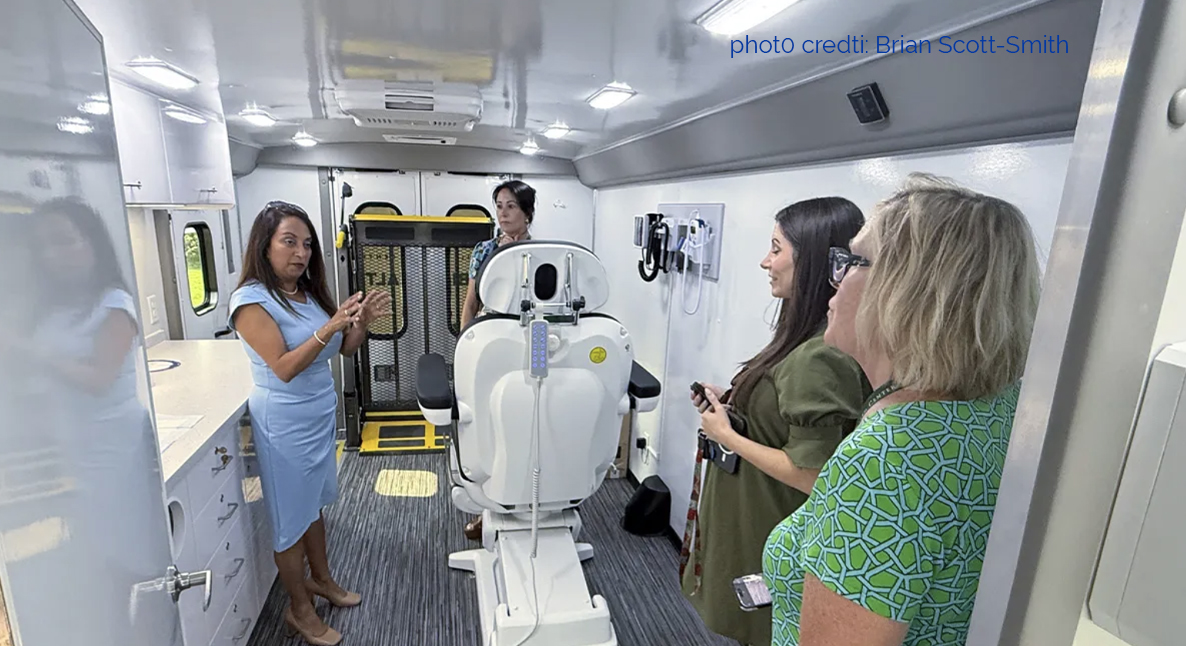
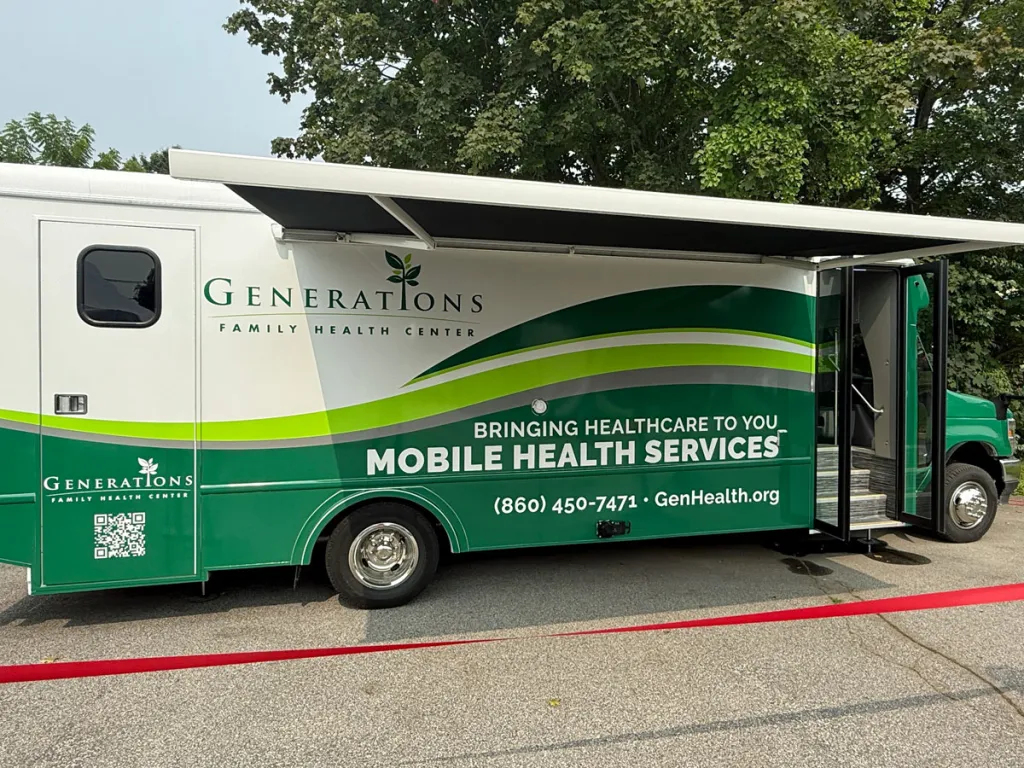
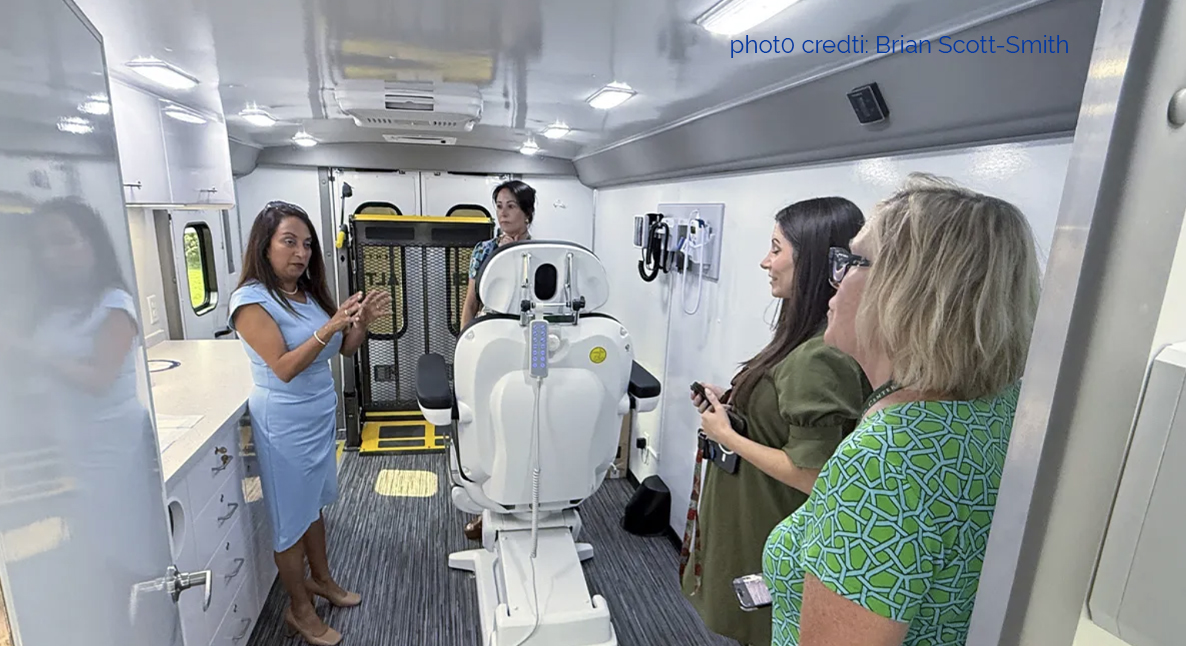
WILLIMANTIC, CT — Eastern Connecticut is about to get an unusual example that sometimes less really is more, as a new mobile health care unit takes to the streets.
The new vehicle is much smaller than the 44-foot trailer it replaces. But the more modern unit can provide care in smaller places, and doesn’t require a commercial driver’s license to operate, according to Melissa Meyers, CEO of Generations Family Health Center in Willimantic.
“Our old … unit was servicing over 30 locations at one time, and covered over 200,000 miles traveling to where patients are to deliver our mission,” she said. “So, it’s just an incredible example of what community health centers do across the country to innovate and make sure that access to care is ensured everywhere.”
Generations dedicated the new half-million-dollar truck Tuesday. Meyers said Generations’ coverage area includes all of Windham County and parts of New London and Tolland counties.
Funding for the new vehicle came from the Department of Public Health through a larger state bonding request, according to DPH Commissioner Manisha Juthani. She added the operational funding from the federal government means the group must stick to its existing service area, but with the help of partner funding Generations would look to expand that area to provide affordable healthcare to other families and individuals that need it.
Congressman Joe Courtney, D-2nd District, said mobile health was especially important in that area of the state.
“Anyone who kind of looks at the map of Connecticut knows that eastern Connecticut is the most sparsely populated part of the state.” He said. “The tyranny of distance is something that just continues to challenge access to programs, whether it’s for veterans or healthcare or just a whole range of services.”
The region’s transportation system also makes it difficult for residents in eastern Connecticut to access health care, particularly for the low-income population, he said.
Courtney said the state was fortunate to get funding for the operational side of the health unit through the Department of Health and Human Services and its Health Resources and Services Administration (HRSA)
“The HRSA unit is something that is not automatic formula funded. You’ve got to go out there and compete for it,” he said.